

Ube (purple yam) is turning heads all over the world for its bright color and sweet flavor. It’s been an important crop in Filipino desserts for generations, and now it’s showing up all over the internet through creative recipes and products.
If you’re thinking of making something with Ube, you’re already part of an exciting opportunity! But making a great Ube product isn’t just about using a colorful ingredient-it takes knowing where it comes from, how to use it well, and understanding the challenges that come with this growing trend.
Want to learn more? Let’s explore the essential information you need to know about ube.
The Philippine Connection: Understanding Agriculture
Ube is believed to have been present on the islands of Southeast Asia for thousands of years and spread naturally among early Austronesian peoples. It likely reached different countries through ancient human migration and trade. Over time, it became widely grown and adapted to the local farming system. Although Ube can be grown elsewhere, the Philippines is known for its high-quality Ube and its high genetic diversity, as it has long been cultivated there and is considered an important traditional crop, with a wide variety of forms that reflect a deep history of selection and use. Over time, Ube became an essential ingredient in Filipino cuisine, especially in desserts such as jams, cakes, and pastries.
Quality Matters: What to look for in Raw Ube.
When looking for a supplier of raw ube, the quality of your roots will depend on freshness and how mature your ube roots are. Look for roots that are firm, not soft, and do not have visible damage. Discard any roots that are soft to the touch, have mold on them, or excessively sprout, as these signs indicate the roots are past their edible life and were poorly stored or mishandled. Medium-sized, mature ube roots also yield the best flavor and starch content, and, consequently, the best-quality powders.
Different Ways Ube is Used
It can be mixed into countless kinds of foods – sweet or savory, icy cold or freshly baked.
- Desserts: Dessert bakers and pastry enthusiasts enjoy Ube to color and flavor their baked confections purple; cookies, cakes, pastries, donuts, and puddings, to mention a few. It also twists these dessert creations, such as ube cookies, ube ice cream, or ube cheesecake.
- Beverages: You could have a colorful purple ube latte or add the powder to create a tasty purple milkshake or two: Caffe latte, smoothies, milkshakes, and more take on not only a delicious purple hue.
- Savory Dishes: This sweet color could be a surprising, though less frequent, addition to some prepared savory dishes, such as purple gnocchi or mashed potatoes!
The Nutritional Benefits Of Ube
For food businesses, highlighting these nutritional benefits can add major value—especially as wellness trends shape global demand. Let us look at ube’s health credentials.

How Ube Became a Global Favorite

Image credit: Alexander Grey / Unsplash
The food item that people grew up with in the Philippines is now trending in cafes around the world, thanks to social media; pictures of pretty Ube desserts have become wildly popular. Today, many restaurants and coffee shops are experimenting with ube-based ingredients in different ways, putting increased pressure on Philippine producers to keep up with supply. This increased global appetite presents a bright market opportunity and bodes well for suppliers capable of delivering a reliable, high-quality Ube.
Ube Market Growth Outlook
The Philippines Ube market is expected to experience steady growth over the coming years. Coherent Market Insights estimates the market will reach USD 48.7 million in 2026 and grow at a compound annual growth rate (CAGR) of 6.4% through 2033, reaching USD 75.2 million. This growth reflects increasing demand for processed Ube formats and expanding opportunities across both domestic and export markets. (Source: Coherent Market Insights)
Among the different commercial forms of Ube available today, Ube powder is emerging as the preferred choice for food manufacturers and processors. According to Coherent Market Insights, Ube powder is expected to increase its share to 30.4% of the Philippines’ Ube market in 2026, making it the largest commercial form segment. (Source: Coherent Market Insights)
Ube is attractive and unique; therefore, it is more marketable to consumers, especially in a foreign country, because most people worldwide have never seen purple food before. It tastes pretty good, looks good, and it’s very versatile. Whatever you make with it will be purple too, making it very Instagrammable.
Where to Get the Best Ube
For producers, forging strong connections with dependable suppliers is critical. This is especially true in the Philippines, where unique agricultural challenges impact the supply and quality of Ube. Provinces like Bohol, Cagayan, and Leyte are renowned for their ideal conditions, but even here, farmers face real hurdles. Without top-quality Ube roots, even the best processes cannot deliver premium powder.
So what are these agricultural challenges, and how do they shape the Ube industry?
The Unseen Obstacles of Ube in the Philippines
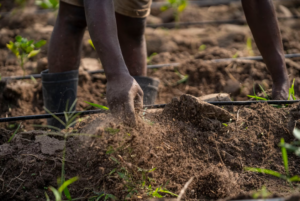
Image Credit: Photo by Elvis Kambire / Pixel
As attractive as the trend may be, it is important to recognize the many challenges involved in cultivating Ube, particularly when obtained from regions such as the Philippines.
1. The Decrease in Ube Production in the Philippines
According to the latest news published on (Source: Agriculture Online, 2026), the Philippine Ube industry is facing a serious supply crisis that concerns both humble local growers and large-scale producers. Growing Ube is not an easy task because this fruit requires a long-term growth cycle and well-drained soil; however, unpredictable rains, extended periods of drought, and typhoons can negatively affect the crop.
Domingo Jr. Loyola noted in an interview with Agriculture Online:
“There are very few people who are engaged in growing ube. One of the main reasons is the unstable harvest. In addition, the duration to harvest lasts for one year.”
Unlike ordinary crops such as potatoes or leafy vegetables that can be easily replaced every three months to turn a profit quickly, ube requires a serious nine-month to one-year period to yield fruit. That is why some farmers choose to plant crops with shorter growing periods to ensure they still have a steady source of income to feed their families.
2. Economic Disparity: The Middlemen’s Slice and Farmers’ Plight
Even in the face of increasing demands for ube around the world and rising prices in the market, not all the benefits of the ube trend are obtained by farmers. Most of the profits from the sale of ube go to buyers, reducing the earnings farmers receive. Besides, farmers lack access to the essential infrastructure, such as transportation, needed to sell processed ube (Source: Philstar, 2026).
3. Challenges in Ensuring Authentic Ube Products
Ube used to be rare and special, but now its popularity has made it less of a treat. Aside from that, most ube products contain no real ube and use flavorings and color. There are non-local products being labeled as ube even when the components are artificially made, and that could cause the identity of ube to be tarnished because businesses are putting ube labels on products that don’t even taste like ube. It’s like they’re starting to brand it rather than sell the authentic thing.
Outside the Philippines, other purple crops like sweet potato and cassava are often mislabeled as “ube,” and many consumers do not really care where the ube came from. As a result, most foreign consumers are eating fake ube or a different crop without realizing it.
A recent statement from the Philippine Department of Agriculture’s Bureau of Plant Industry (DA-BPI) highlights the importance of protecting the country’s ube from misrepresentation.
The DA-BPI’s already made a warning against the sale of falsely labeled “imported ube” underscores the growing need for authenticity verification in the ube industry, where product adulteration and ingredient substitution can occur in response to increasing market demand. (Source: Philippine News Agency (PNA))
4. Limited Area for Planting Ube Due to Geography
Since ube has proven to be a cash crop that can generate good income for farmers, the issue arises that it is highly sensitive to climatic changes during cultivation. It means that due to unexpected rain and higher temperatures, production is adversely affected.
Due to these environmental challenges, some farmers have begun planting more resistant crops, such as cassava, sweet potatoes, and taro. Experts have also been encouraging diversification and not relying too much on ube cultivation. Improved agricultural methods have been developed to tolerate adverse weather conditions better. According to (Source: Channel News Asia (CNA)), root crops in general are important for food security, especially in disaster-prone areas of the Philippines, underscoring the need to strengthen climate-resilient farming.
5. Pest and Disease Threats to Ube Production
It has been discovered that several specific pests and diseases affect Ube production. In the field, the most common diseases are anthracnose, leaf spot, and tuber rust. These diseases attack the leaves, especially during the rainy season, causing dark spots, leaf drying, and reduced plant productivity.
For pests, the most important are root-knot nematodes (Meloidogyne incognita), which damage roots and form swollen galls or “knots” that weaken plants and reduce yield. The crop is also affected by Ube beetles, which feed on plant parts and can further reduce plant health and productivity.
Solution: Opportunities in Ube Production

Photo Credit: Akil Mazumder / Pixel
Still, there are major challenges with the process of producing ube. Several approaches are needed to overcome these problems. There are a multitude of opportunities, though, offered by the cultivation of ube that should be addressed.
Coping with the Realities of Farming through Diversification
Developing crops resistant to environmental factors, such as weather, as well as farming techniques for use in poor weather, would be highly beneficial in response to the impact. Farmers can now earn more income by growing different varieties of crops.
Boosting Supply: Strengthening Networks and Supporting Farmers
Farmer cooperatives can greatly help manage production and negotiate better prices, removing reliance on suppliers and increasing profit margins. After harvesting, the marketing of the produce will be successful if transport facilities and better storage are established. It is important to provide farmers with high-quality planting material and to develop and implement methods for its multiplication (Source: DW, 2025). The production of planting material by farmer co-operatives would be a useful suggestion in this regard.
Technology and Education: Guaranteeing the Future of Ube
The use of cutting-edge techniques in agricultural production—such as advanced ube propagation methods highlighted by (Source: GMA News)—will not only increase yields but also help resolve propagation problems. Educating ultimate consumers about the new product should be one of the final goals, as it reduces the risk of adulteration.
Conclusion: The Sweet Spot of Ube Production
The hype around ube could lead you to think making ube powder is an easy endeavor, but this “purple gold” actually has many more obstacles than one might think. Success will depend on knowledge of all the elements of the value chain, from farms to end products. In such a promising industry, those who emphasize quality and respond effectively to obstacles will reap the benefits.